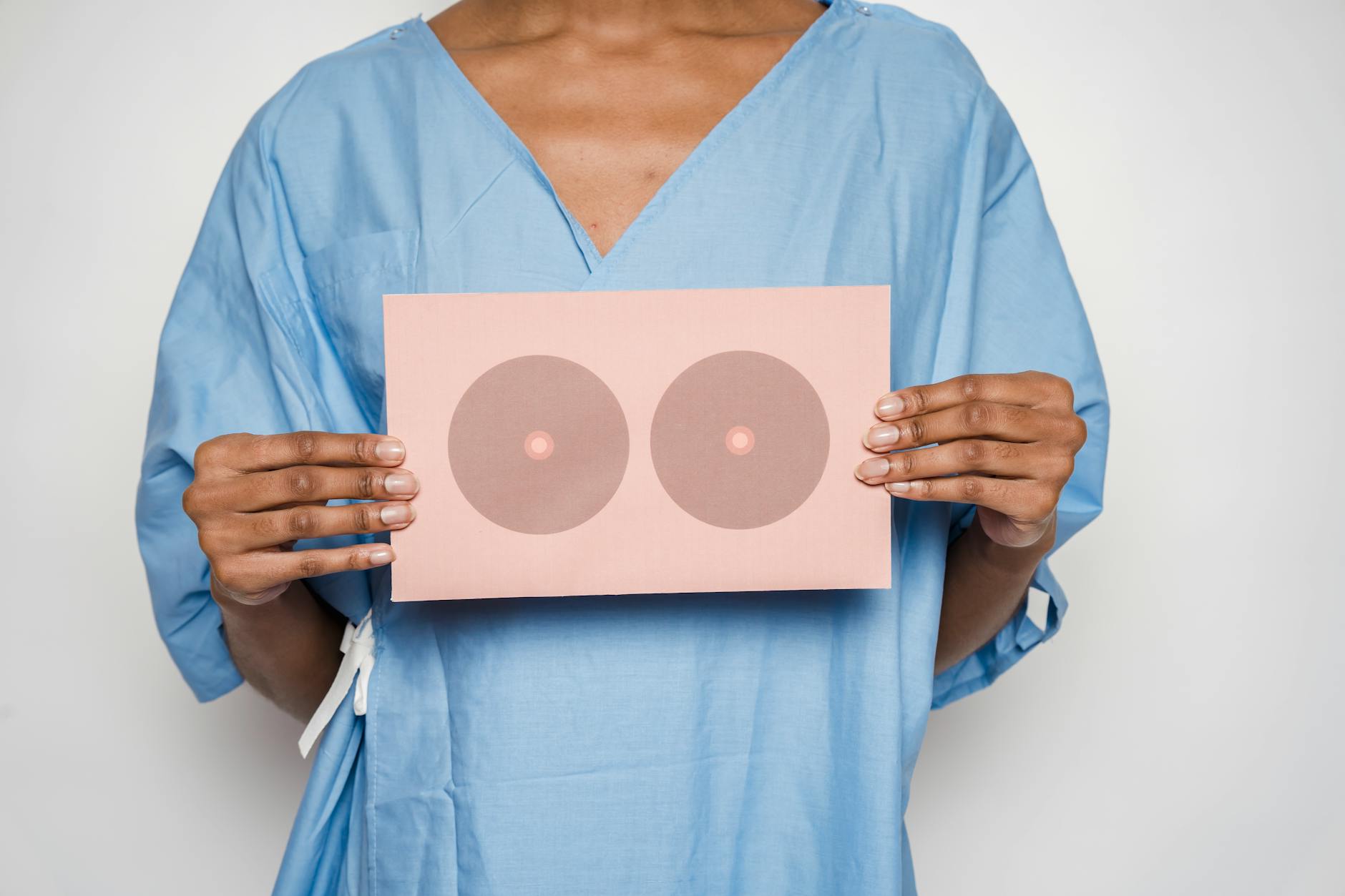
Insurance Billed 10x More for the Same Mammogram
A 3D mammogram costs $250 cash. That same test — same machine, same results — gets billed at over $2,000 when it goes through insurance. That's not a typo. That's the healthcare pricing game, and most people have no idea it's happening to them.
The Same Test. A Very Different Price.
Solis Mammography is the largest dedicated breast imaging provider in the country. No referral needed. No insurance required. You just book online and show up. The cash price is $250.
For women facing financial hardship who are uninsured, there's even a $99 coupon available for the same exact screening.
So why do most women go through insurance and pay far more? Because the hospital system is built to keep you from knowing the cash price exists.
How the Pricing Scam Actually Works
Here's the playbook hospitals and big insurers — think Blue Cross, United, Cigna, Aetna, Humana — use to inflate your costs:
- The provider sets a fake "list price" — called the chargemaster price. It's wildly inflated. Nobody actually pays it.
- The insurance company negotiates a "discount" off that fake price. They call this a network rate and market it as a huge win for you.
- You pay the "discounted" price — which is still many times higher than what the service actually costs in the real world.
Both sides benefit from the inflated number. The insurer justifies high premiums by showing you all the "savings" they got you. The provider collects far more than a fair cash price would bring in. You're left holding the bill.
The cash price cuts both of them out entirely.
This Is Why Indemnity Plans Are Changing the Game
Smart small business owners are catching on. Instead of locking employees into expensive HMO or PPO plans with sky-high deductibles, some are pairing ICHRA (Individual Coverage HRA) with an employer-sponsored indemnity plan option.
Indemnity plans work differently. They pay a set benefit for covered services — no deductibles, no copays. When an employee finds a lower cash price (like that $250 mammogram), they keep the difference. That's real money back in their pocket.
That incentive changes behavior. Employees start shopping. They compare prices. They find cash-pay clinics, direct-pay doctors, and transparent pricing — and they get rewarded for it. That's how you create real competition in healthcare and drive costs down for everyone.
What Small Business Owners Can Do Right Now
If you're a small business owner trying to offer affordable health benefits in 2026, you have better options than traditional group insurance. ICHRA lets you set a defined contribution amount and let each employee choose their own coverage. It's flexible, it's affordable, and it puts employees in control.
Employees who opt out of the ICHRA can choose the employer-sponsored indemnity plan instead — and they're financially motivated to shop smart for every service they use.
The mammogram example isn't a rare exception. Cash prices for labs, imaging, and office visits are often 50–80% less than what insurance "negotiates." Your employees deserve to know that — and to benefit from it.
Ready to Offer Smarter Benefits?
The Benefit X-Change by AssureCor helps small businesses set up ICHRA plans and indemnity options that actually work for their teams. Stop overpaying for insurance that inflates prices behind the scenes.
Visit benefitx.com to learn how to get started today.